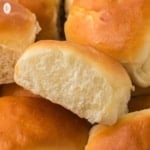
Copycat Texas Roadhouse Rolls
Our Copycat Texas Roadhouse Rolls are soft, buttery, and just sweet enough, with a warm brush of butter right out of the oven. If you have ever eaten the whole basket of rolls before your steak showed up, this is the recipe you have been looking for.
Servings: 24 rolls
Calories: 119kcal
Equipment
- stand mixer optional
- 1 bench scraper knife or pizza wheel cutter to cut dough
- kitchen scale optional
- parchment paper optional, but recommended
- 1 Baking Sheet large sized
Ingredients
- 1 cup whole milk warmed to 110°F. Do not substitute with water, this is where the softness comes
- 2 ¼ teaspoon active dry yeast one packet
- ¼ cup granulated sugar
- 1 large egg room temperature
- ⅓ cup unsalted butter melted and slightly cooled
- 1 teaspoon salt
- 3 ½ cups all-purpose flour plus more for rolling
For finishing:
- 3 tablespoons butter melted, for brushing
Instructions
- Proof the yeast. Combine warm milk, yeast, and sugar in a large bowl or stand mixer bowl. Let sit 5 to 10 minutes until foamy. If it does not foam, the yeast is dead or the milk was too hot, so start over.
- Add egg, melted butter and salt. Mix to combine, then add flour gradually. Start with 3½ cups, mixing on low with a dough hook or by hand. Add more a few tablespoons at a time until the dough pulls away from the bowl sides but is still slightly tacky.
- Knead 8 to 10 minutes by machine, or about 10 by hand, until smooth and elastic and dough and stretches 4-5" without tearing and dough is lightly tacky, but not sticky.
- First rise. Place in a greased bowl, cover, and let rise in a warm spot 45 to 60 minutes, until doubled.
- Shape the rolls. Punch down and turn onto a floured surface. Roll into a rectangle about ½ inch thick, about 12" by 8." Cut into roughly 2-inch squares. If you weigh them, they should weigh about 40 grams each.
- Second rise. Arrange the rolls on parchment-lined baking sheets about an inch apart. Cover loosely and rise 30 to 45 minutes until puffy. Preheat oven to 350ºF.
- Bake at 350°F for 15 to 18 minutes, until golden on top. Watch closely after 15 minutes, and check for 190°F in the center if you are unsure.
- Brush with melted butter immediately out of the oven, and again a minute later. Serve warm.
Notes
Ingredient Notes and Substitutions
These rolls have no egg wash, so they stay a lighter color on top than you might expect. Go by time and touch, not color. They are done at 190 to 200°F in the center if you want to be sure.
Fitting all 24 on one large baking sheet with about an inch between them is exactly right. They need that space to puff.
Whole milk is doing real work here. It is where the soft, tender crumb comes from, so please do not swap in water. Two percent will work in a pinch, but the rolls will not be quite as rich.
If you only have instant or rapid rise yeast, use the same amount, skip the proofing step, and stir it right into the flour. Your rise times may run about ten minutes shorter, so start checking early.
I recommend using all purpose flour, bread flour makes a taller, chewier roll, and chewier roll. These should be pillowy.
Flour amounts shift with the weather and your environment. Start with 3½ cups and add a tablespoon at a time only until the dough pulls away from the sides of the bowl. It should still feel slightly tacky when you stop. Dough that feels dry in the bowl bakes into dry rolls.
Make Ahead Instructions
Make the dough the night before. Mix and knead as directed, then cover the bowl and refrigerate it overnight instead of doing the first rise. The next day, let it sit on the counter for 30 to 45 minutes before you roll it out.
Shape them ahead. Cut your squares, arrange them on the parchment lined sheet, cover, and refrigerate up to 24 hours. Pull the pan out about an hour before baking so the rolls can finish rising and lose their chill.
Storing
Keep baked rolls in an airtight container at room temperature for up to 3 days. Skip the refrigerator, it dries bread out and makes it go stale faster.
To reheat, wrap them in foil and warm at 300°F for 8 to 10 minutes. For a single roll, 10 to 15 seconds in the microwave under a damp paper towel. Brush on a little more melted butter either way.
Freezing Instructions
Baked rolls freeze beautifully. Cool them completely, then freeze in a zip top bag for up to 3 months. Thaw at room temperature, warm wrapped in foil at 300°F for 10 to 15 minutes, and brush with butter before serving.
To freeze them unbaked, place the cut squares on a sheet pan and freeze until firm, then move them to a freezer bag for up to 1 month. When you are ready, set them on a lined pan and let them thaw and rise for 2 to 3 hours until puffy, then bake as directed.
Nutrition
Serving: 1roll | Calories: 119kcal | Carbohydrates: 17g | Protein: 3g | Fat: 5g | Saturated Fat: 3g | Polyunsaturated Fat: 0.3g | Monounsaturated Fat: 1g | Trans Fat: 0.2g | Cholesterol: 19mg | Sodium: 115mg | Potassium: 41mg | Fiber: 1g | Sugar: 3g | Vitamin A: 149IU | Vitamin C: 0.001mg | Calcium: 18mg | Iron: 1mg
