


When I first began baking I remember being surprised about all the different types of flour. Walking down the baking aisle was a bit overwhelming- there are so many to choose from! I remember thinking, “is all-purpose flour really the best for everything?”. If you have been wanting to explore different kinds of flour I’ve created this guide to walk you through it! Let’s check out all of the different types of flour for baking!
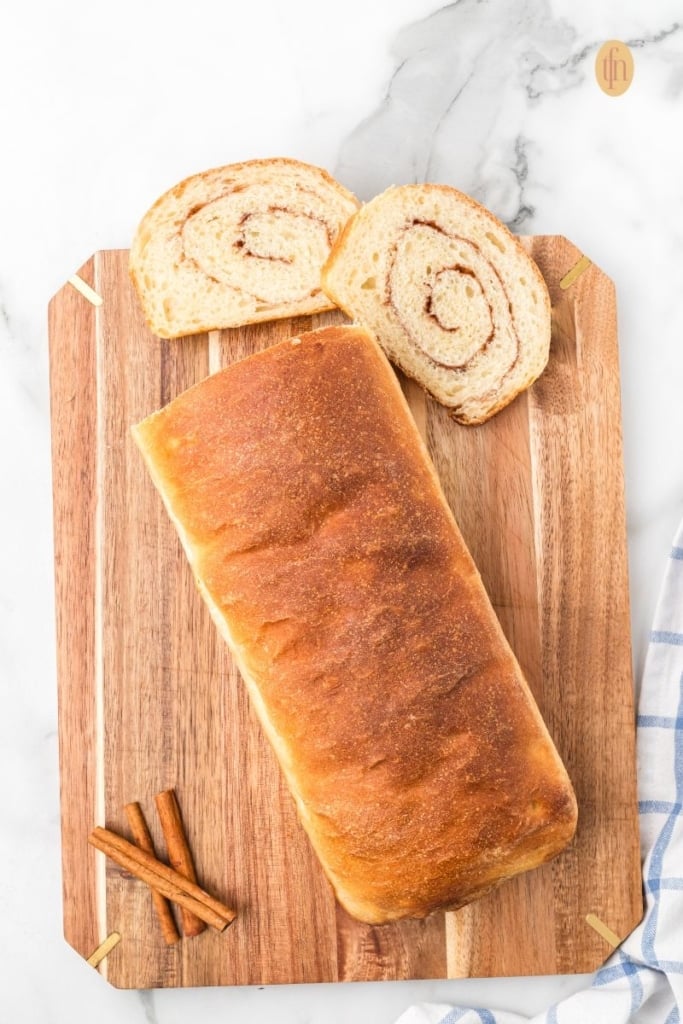
This helpful flour guide will discuss the key differences in each popular flour type, as well as help you determine what flours work best with different recipes. You’d be amazed at what flour choice can do to make a recipe taste even better! Let me walk you through the flour dilemma so that the next time you find yourself on a baking aisle- you know exactly what you are looking for!
Content Covered Here
All-Purpose Flour
What is it? All-purpose flour is a general-use flour made up of hard and soft wheats. A blend of wheats gives it a moderate protein content (around 10-12%). This protein content allows all-purpose flour to be suitable for a wide variety of recipes.
What is it good for? Not only is all-purpose flour handy for thickening stews, creating gravy or making sauces- it’s also popular for baking. We suggest using all-purpose flour in cookies, quick breads, muffins, pancakes, and many of our sourdough bread recipes use all-purpose flour (at least for part of the flour).
Flour Tip: this should be a staple pantry item because of how versatile this flour is. If you only stock one type of flour, this should be it!
Unbleached All-Purpose Flour
What is it? Unbleached AP flour is made of the same blend as all-purpose flour, the key difference is that rather than using chemicals to treat and whiten, unbleached flour is allowed to naturally age which helps preserve some of the nutrition content of the flour.
What is it good for? Unbleached AP flour is good for all the same recipes as standard all-purpose flour, plus it is best for creating and feeding your sourdough starter.
Flour Tip: We recommend unbleached all-purpose flour for the care and maintenance of your sourdough starter. Bleached flour can affect the natural, wild yeast in flour.
Self-Rising Flour
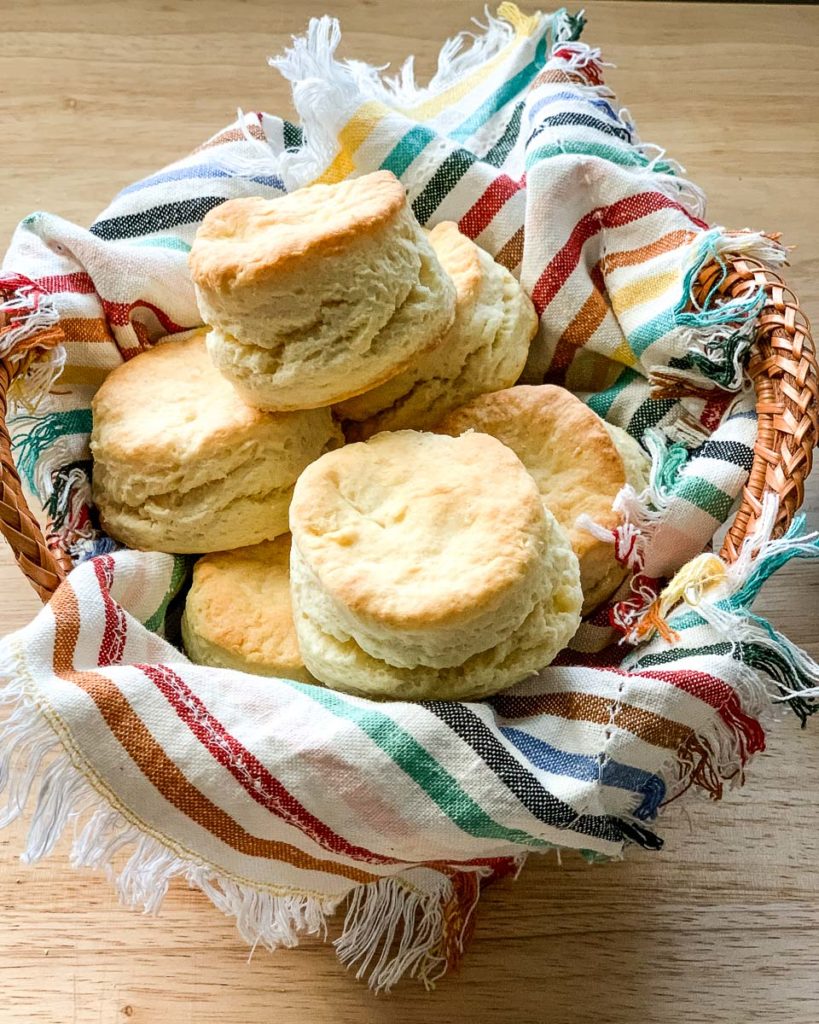
What is it? Self-rising flour is all-purpose flour already mixed with a leavening agent (typically this is baking powder and salt). It is a staple ingredient in Southern cooking. This flour is great for beginning bakers because it eliminates the need of mixing additional ingredients and ensuring weights or measurements are accurate. We love that it minimizes recipe ingredients and simplifies baking.
What is it good for? Biscuits, pancakes, and quick breads.
Flour tip: You can easily make your own by following instructions in the recipe card of our popular 3 ingredient biscuits recipe.
00 Flour
What is it? 00 flour is Italian-milled durum wheat flour ground to the smallest size possible, resulting in an ultra-fine flour. The name 00 flour is “doppio zero” meaning it’s a smaller grind size than 0. It produces a dough that is very stretchy and rarely tears. When baked the dough becomes fluffy, light and airy but still crisps on the outside.
What is it good for? 00 flour is typically used for pizzas, especially Neapolitan-style pizzas. It handles the high temperates of a pizza oven well. 00 flour is also used for fresh pasta and delicate pastries.
Flour tip: If you are looking to perfect your pizza recipe, 00 flour is a must-have ingredient.
Semolina Flour
What is it? Semolina flour is a coarse ground flour made from durum wheat. It has a sandy appearance- large ground grains and yellow-ish color. It’s high protein and gluten content make it perfect for holding shape.
What is it good for? Mixed with 00 flour it is ideal for Italian pastas or rustic breads. It is also used for pizza dough as it helps with preventing sticking and gives the pizza crust an extra crunch.
Flour tip: I began stocking Semolina flour in my pantry when we started making our own pizza crust. We dust all of our pizza peels with semolina as it prevents the dough from sticking, gives it a unique crunchy flavor, and doesn’t burn like cornmeal.
Whole Wheat Flour
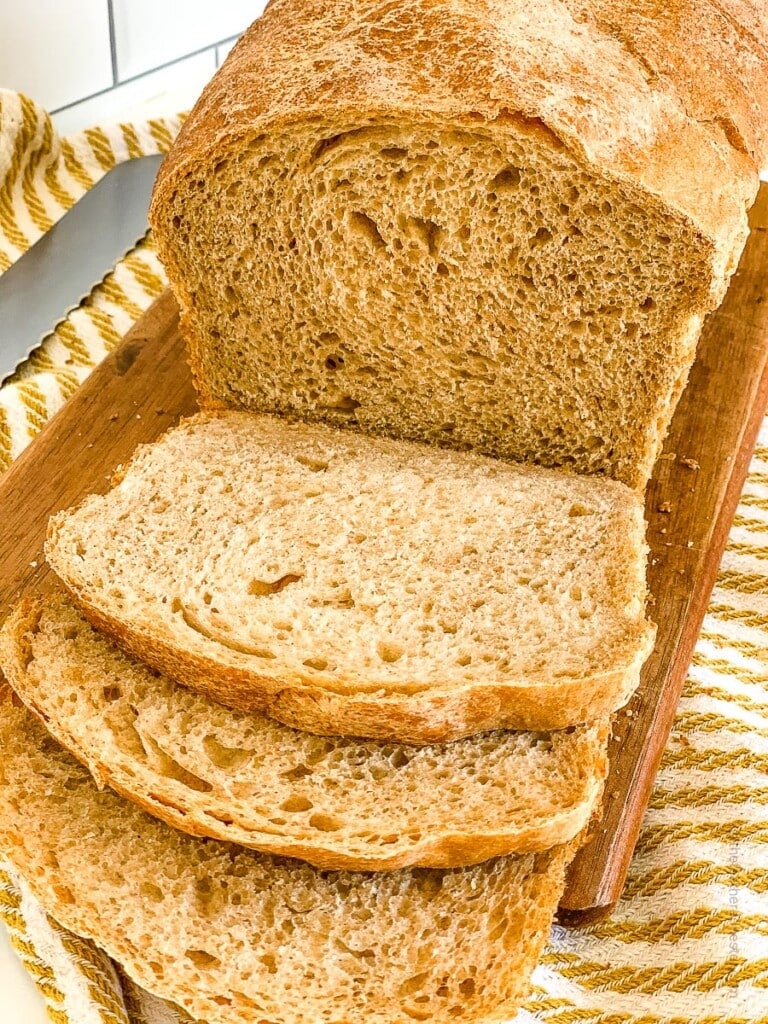
What is it? Whole wheat flour is made from the entire grain, unlike white flour, which is refined to remove the bran and germ. Whole wheat flour offers more nutritional value, but a shorter shelf life. It has a nuttier and heartier texture. For baking, whole wheat is more absorbent, meaning the liquids are absorbed faster- which can make the bread denser or chewier.
What is it good for? Whole wheat and heartier breads and pastas. Or when you are looking to up the nutritional value of your bread products. However, keep in mind that whole wheat flour isn’t recommended for baking cakes and pastries.
Flour tip: You can add whole wheat flour into your baked goods to increase nutritional value, substitute 25% of white flour with whole wheat.
Kamut Flour
What is it? Kamut® flour is made from Khorasan wheat (an ancient grain) known for its large grain size. It is a trademarked grain ensuring that it hasn’t gone through any modern hybridization or genetic modification. It has a buttery and light nutty flavor giving it a unique taste.
What is it good for? Like all-purpose flour, Kamut is used for a wide variety of baked goods. From cookies to muffins, Kamut adds a warm, buttery flavor.
Flour tip: Kamut flour can be substituted on a 1:1 ration with all-purpose flour
Bread Flour
What is it? Bread flour is made of a hard wheat variety and is typically higher in protein (12-14%). The higher protein level gives the dough a greater gluten development (meaning more strength and elasticity to hold their shape).
What is it good for? Bread flour is good for baking that requires structure- sourdough bread, Sourdough Bagels and dinner rolls.
Flour tip: Keep in mind bread flour absorbs more liquid than all-purpose flour so you might need to up your liquids if you swap all-purpose flour for bread flour.
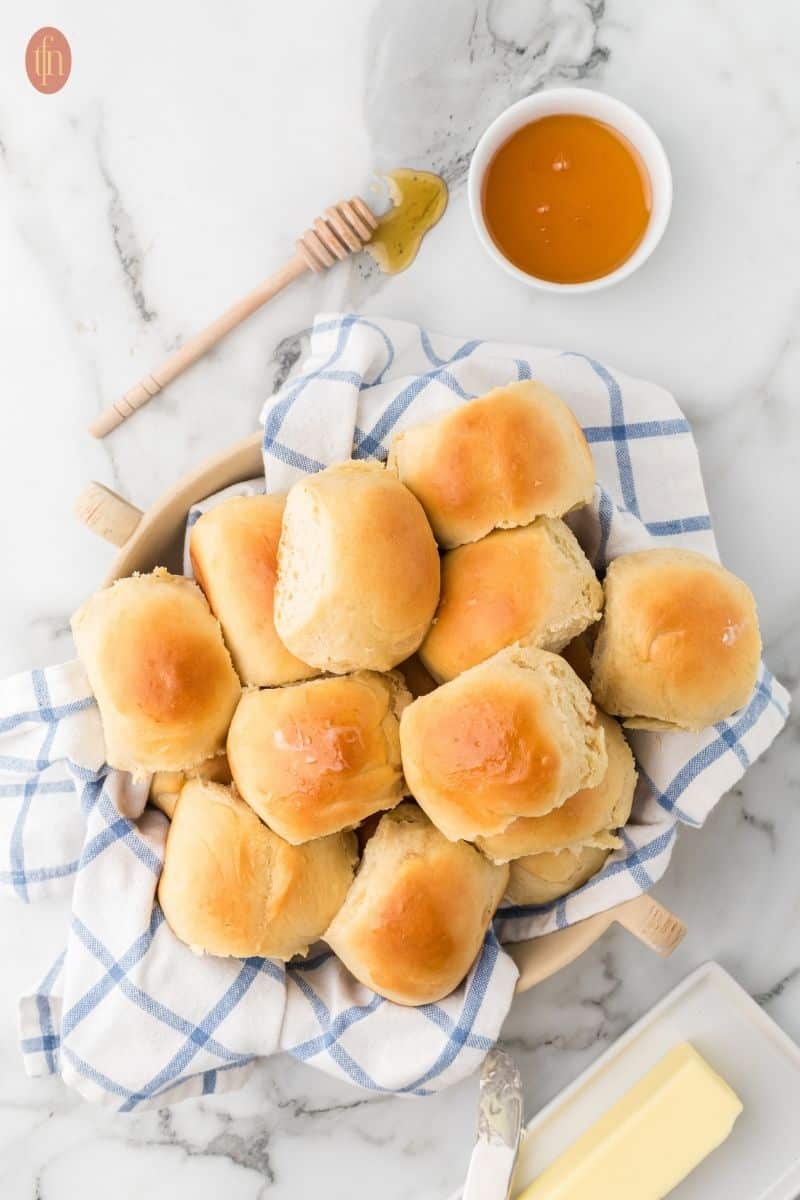
That’s a lot of different types of flour for baking! Did we miss any common ones? Let us know in the comments below!
If we were to only recommend you keep three different flours in your panty we’d recommend: unbleached all-purpose, bread flour and 00 flour (if you love making pizzas or pastries). However, experimenting with baking can be a fun challenge and if you are up to it we recommend trying out Kamut or Semolina flour.
Leave a Reply