

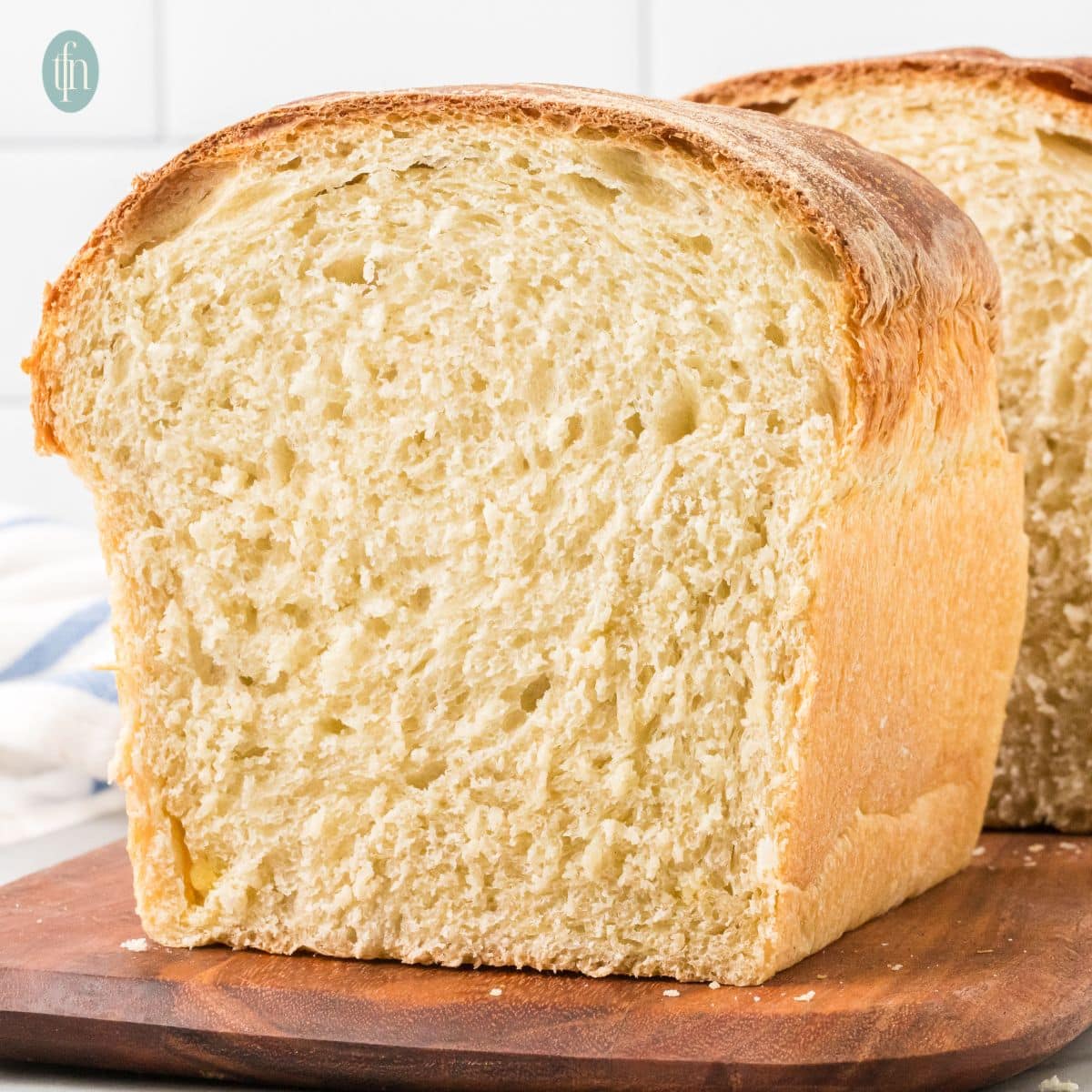
I still remember the first loaf of soft sourdough sandwich bread I pulled from the oven. My grandkids were visiting and I wasn’t sure they’d even try it! But one bite in, they were asking for more. I turned my back for a minute and there were literal chunks missing from the loaf!
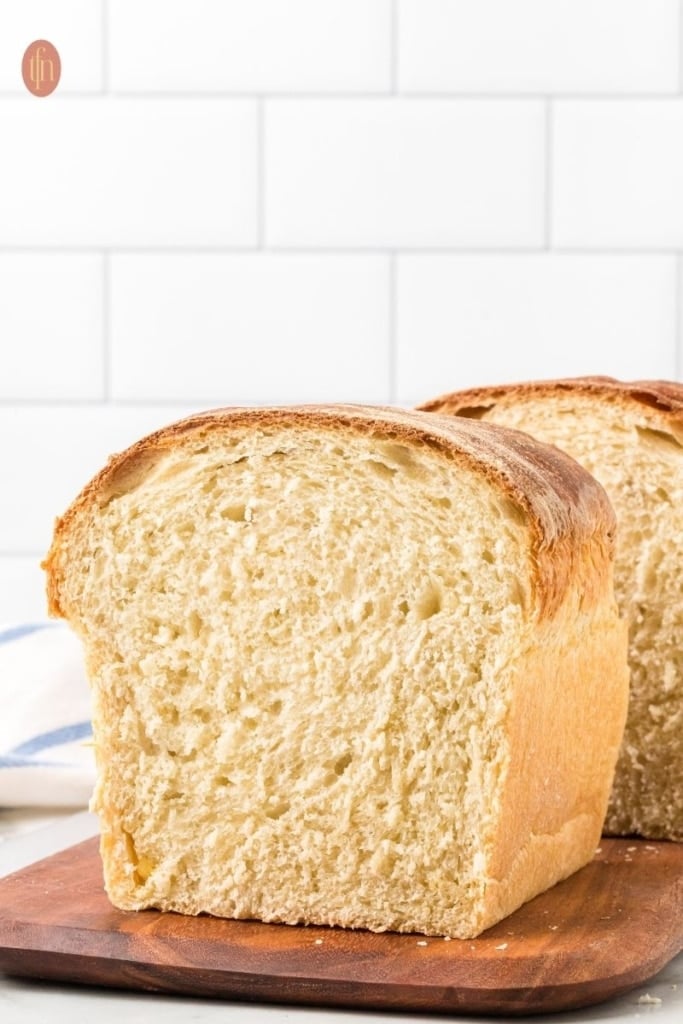
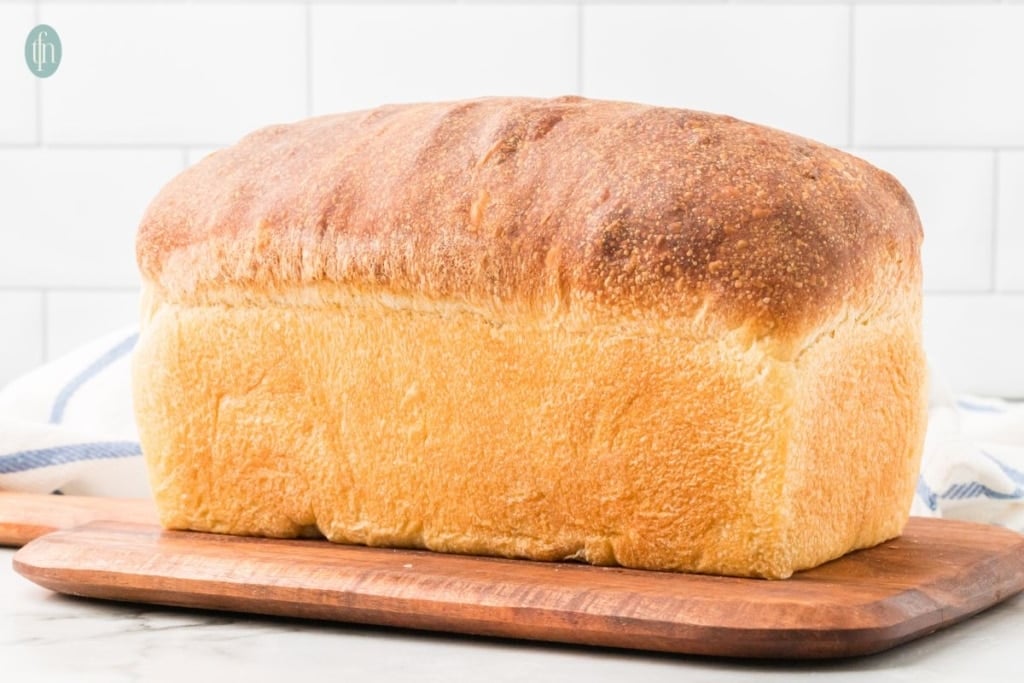
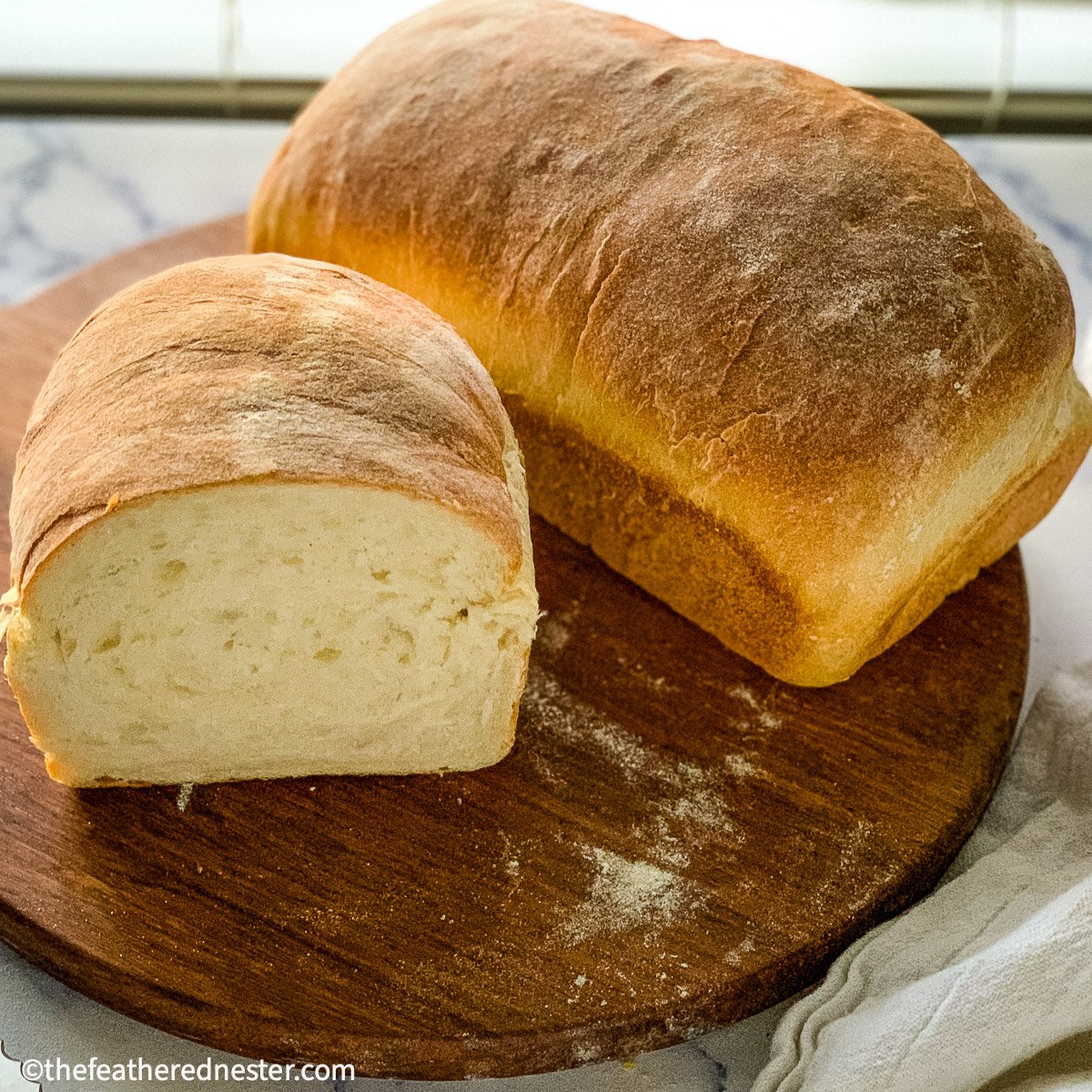
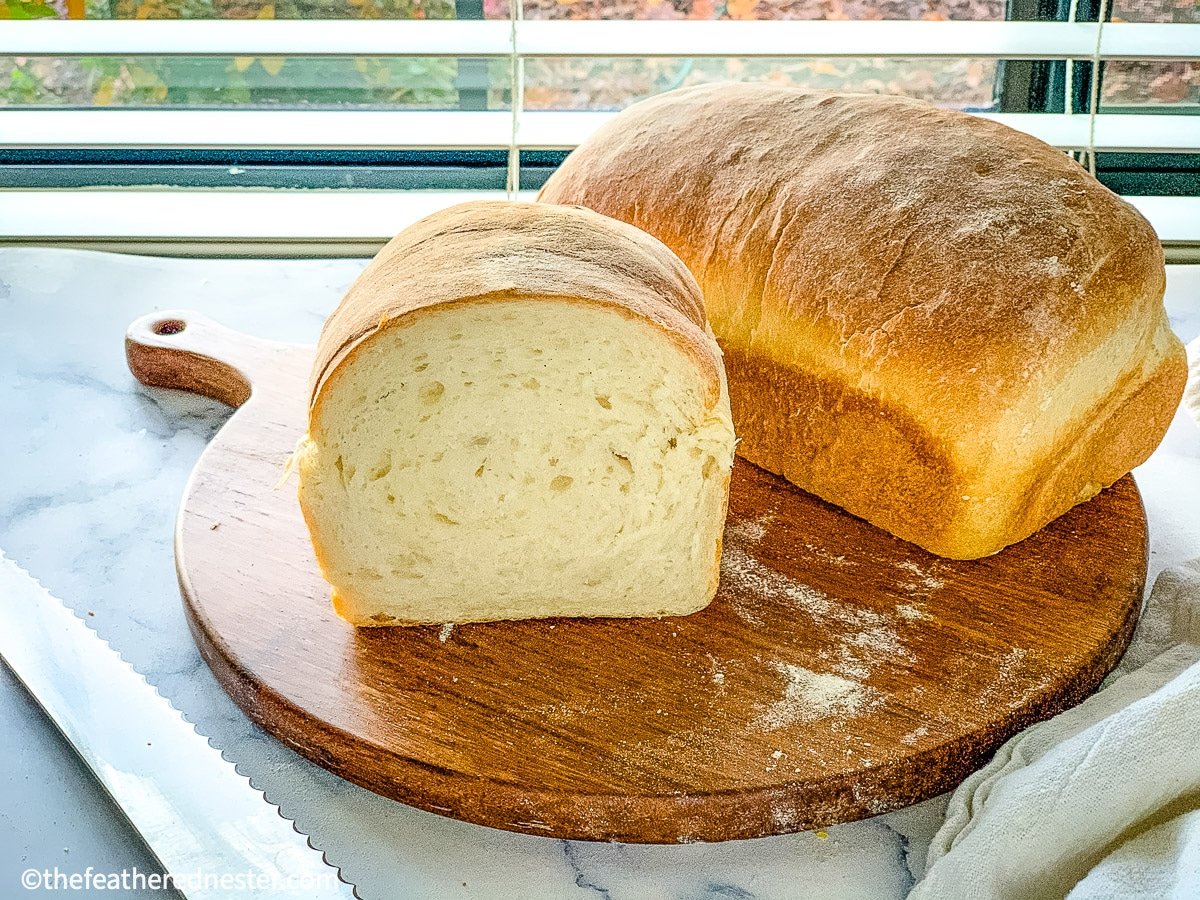
If you’ve been nervous about making sourdough bread at home, our sourdough sandwich bread recipe is the one to start with. It’s easy, no-knead, and forgiving. The loaf is soft and fluffy and even the pickiest kids at home will love it. No hard crust, no sour taste, no preservatives, just a beautiful sandwich bread you’ll be proud to slice.
Content Covered Here
Sourdough Bread Video Tutorial
Why We Love Our Soft Sourdough Sandwich Bread
- It’s super soft inside and out – so everyone loves it!
Sourdough loaves typically have a sour taste and crunchy, chewy exterior that some people (and kids) dislike. However, this recipe is baked in a loaf pan for a wonderfully light crust and soft interior. - This is a no knead sourdough sandwich bread recipe
Since this is a no-knead bread recipe, there’s no worry about “Have I kneaded the dough enough?” The recipe is literally fail-proof. - It tastes like “regular” sandwich bread – without the “sour” taste.
Even if your kids aren’t sourdough fans, they’ll love it! They probably won’t even notice the difference between it and store-bought. The kids might also like our grilled cheese on sourdough bread recipe or our sourdough breakfast sandwich.
Why Sourdough Sandwich Bread is Worth Making at Home
One of the reasons so many readers have switched to making their own sourdough sandwich bread is that they simply feel better eating it. There are no additives, no preservatives, and the fermentation does something to the dough that store-bought bread just can’t replicate.
It’s easy to double the batch and freeze a loaf. They defrost well and you can stock up on home made bread in your freezer.
Learn more about how sourdough is fermented in my overnight sourdough bread post. One thing I love about sourdough is that the long fermentation process may make it easier to digest than regular bread. I’m not a nutritionist, but many of my readers tell me this is the one bread that doesn’t bother them.
Ingredient Notes & Substitutions
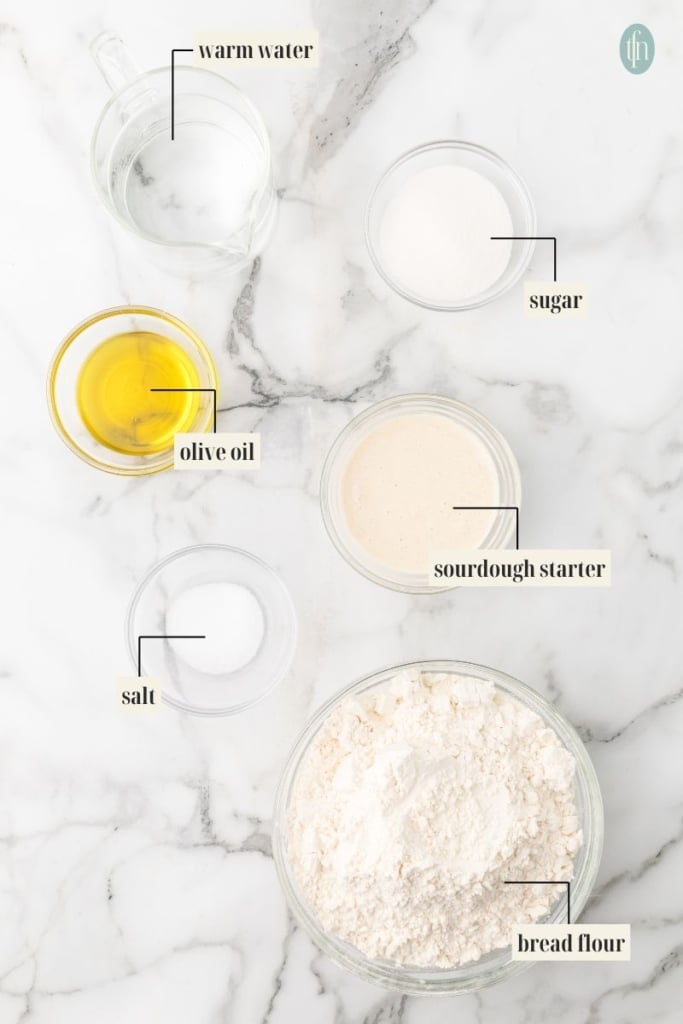
Make this yummy soft loaf with just a handful of simple ingredients. There’s no yeast, eggs, or milk required!
- “Active” Sourdough starter – fed 12-24 hours before starting the recipe.
When we say “active,” we mean a mature starter that always doubles in size within 4-6 hours of feeding. It doesn’t mean you need to use it at the peak activity after a feeding. This recipe uses an unfed starter or one that was fed 12-24 hours prior. - Bread flour – I prefer using unbleached King Arthur bread flour. Although you can use all-purpose flour, the higher protein content in bread flour creates a higher more airy loaf that’s perfect for sandwiches.
- Sugar – Granulated sugar or you can substitute the sugar with 2 rounded tablespoons of honey.
Equipment and Tools
- loaf pan
- large bowl
- dough whisk
- warming mat (optional but helpful during the winter!)
Recipe Variations
- Sourdough Cinnamon Bread
- Chocolate Sourdough Bread
- Easy Sourdough Rye Bread
- Sourdough Focaccia Recipe
- Sourdough Hamburger Buns
- Cinnamon Raisin: Filling ingredients- 1/4 cup granulated sugar, 2 teaspoons ground cinnamon, 2 teaspoons all purpose flour, 1 large egg. beaten with 1 tablespoon of water and 1/2 cup of raisins. Complete instructions up to step four then add the filling: Stretch dough to a large rectangle, brush with the egg mixture, and sprinkle evenly with the filling ingredients. Be sure to leave the edges clear (about an inch all around) to avoid a mess when rolling and sealing the dough into a log.
No sourdough starter? With my quick and easy sourdough starter recipe you can have a starter in just five days. Or, use yeast to make a loaf of sandwich bread with our classic sandwich bread. You can also try our whole wheat version!
Sample Baking Schedule
Helpful hint: If your kitchen is warmer than 72° overnight you might consider pushing back the assembly time to closer to 9PM if your dough tends to rise quicker in a warmer kitchen.
- 7PM (a full 24 hours before assembly):feed your starter so it’s ready to go the next day
- 7PM (evening before): Combine starter, warm water, sugar, then add flour, oil, and salt. Mix until shaggy.
- 7:15 PM: Wet or flour your hands and finish bringing the dough together. Cover with a damp towel and rest.
- 7:45-8PM: Stretch and fold the dough, rotating around the bowl. Return to bowl and cover. Bulk rise now begins, leave covered in a warm spot overnight (8 to 12 hours).
- 7:00AM (next morning) Dough should be doubled. Turn out, stretch into a rectangle, dimple, roll into a log. Cover and rest 10 minutes.
- 7:10AM: Shape log, place seam side down in greased pan. Cover and let rise 1 to 2 hours until doubled.
- 9:10 AM: Preheat oven to 375°F. Brush with egg wash if desired. Bake 40 minutes until deep golden brown.
- 9:50 AM: Remove from oven, rest in pan 10 minutes, then transfer to a wire rack.
- 10:50 AM: Cool at least 1 hour before slicing.
How to Make No Knead Sourdough Sandwich Bread
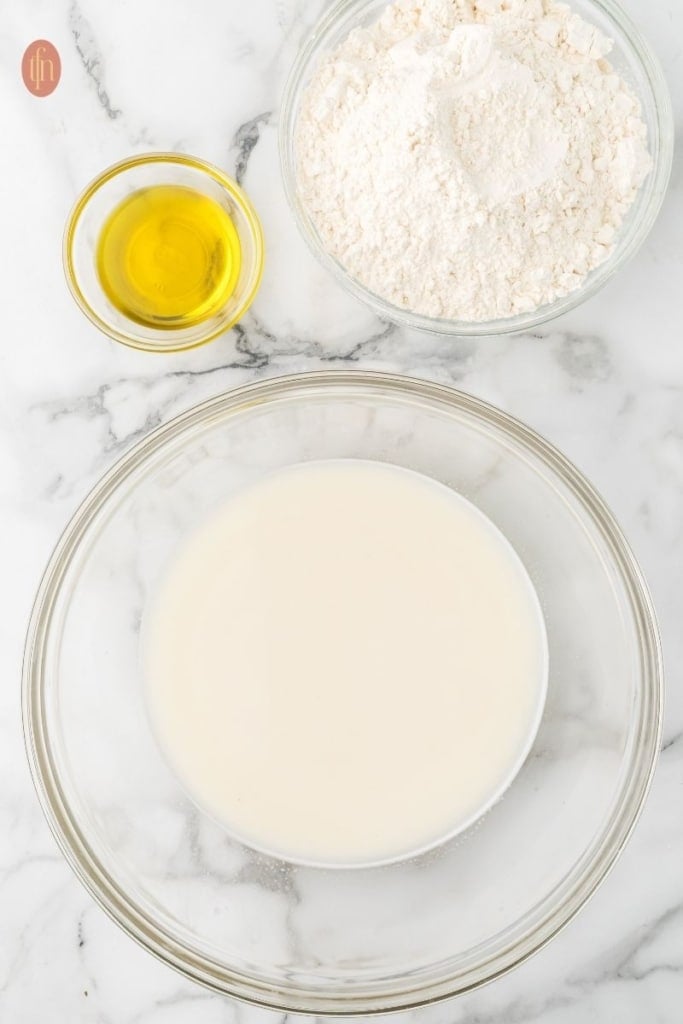
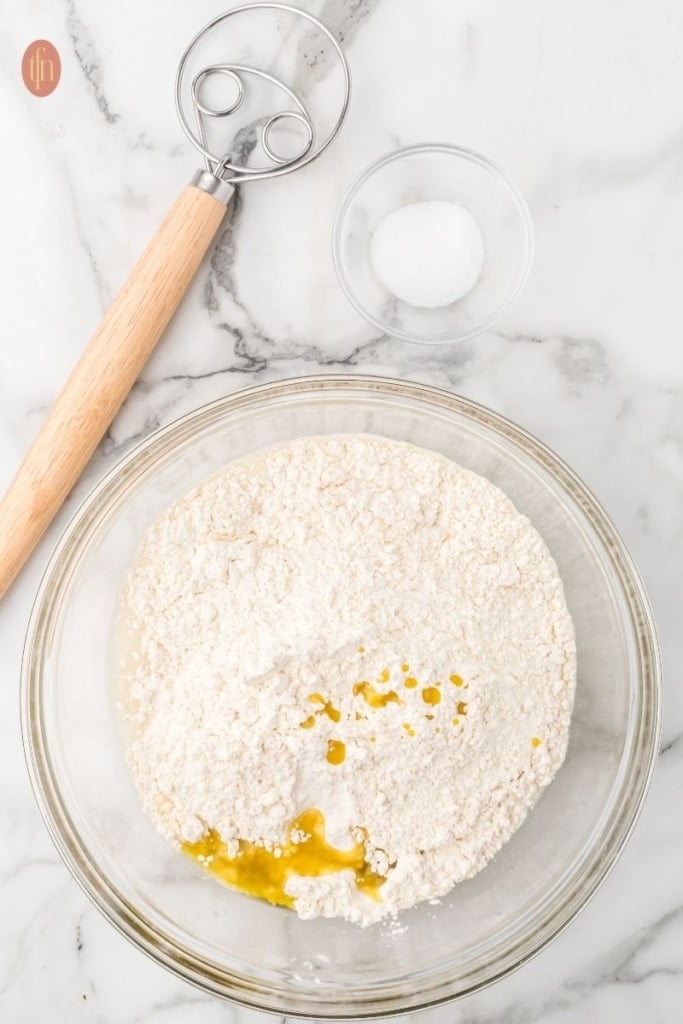
- Feed your sourdough starter 12 to 24 hours before you plan to start the recipe. You want it active and ready to go before you begin mixing.
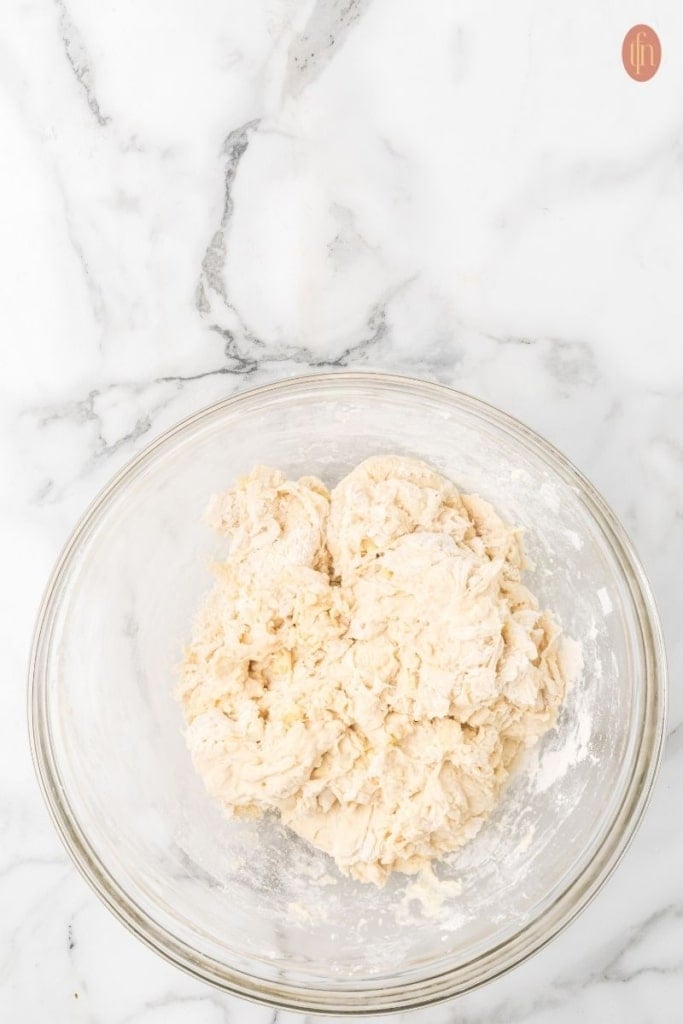
- Add your starter to a large bowl, then mix in warm water and sugar until dissolved. Add the flour, oil, and salt, and stir with a dough whisk or wooden spoon until a thick, shaggy dough forms.
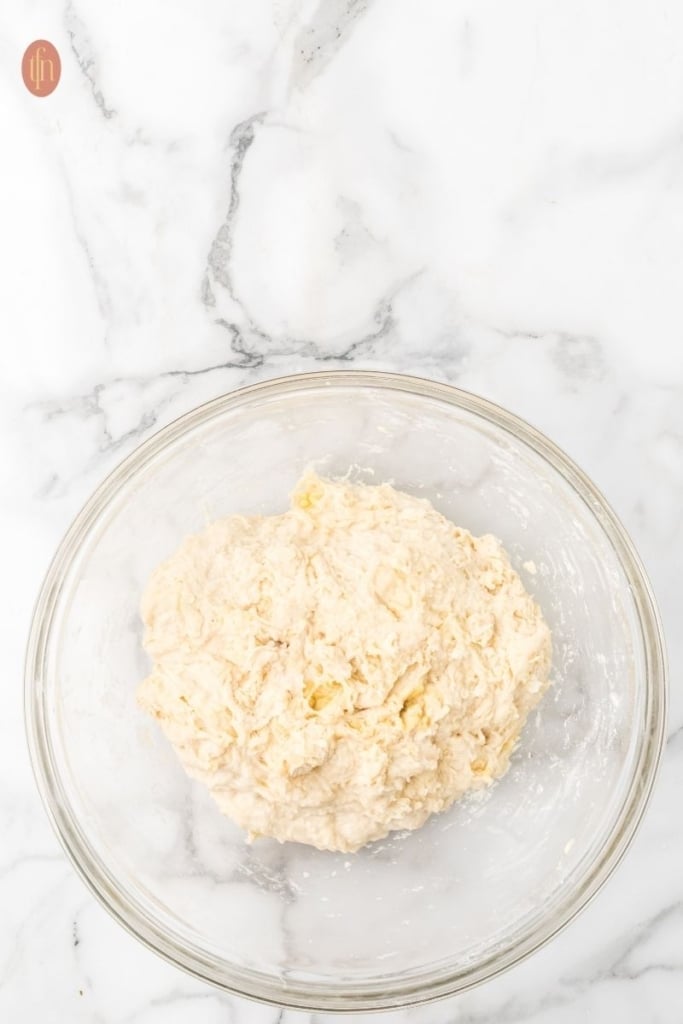
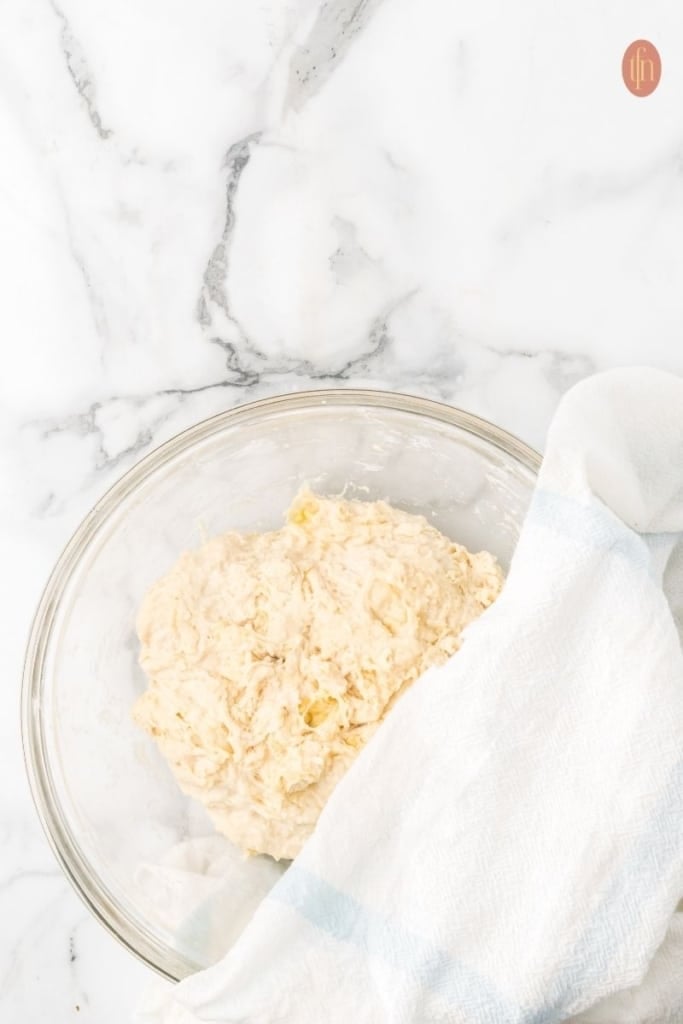
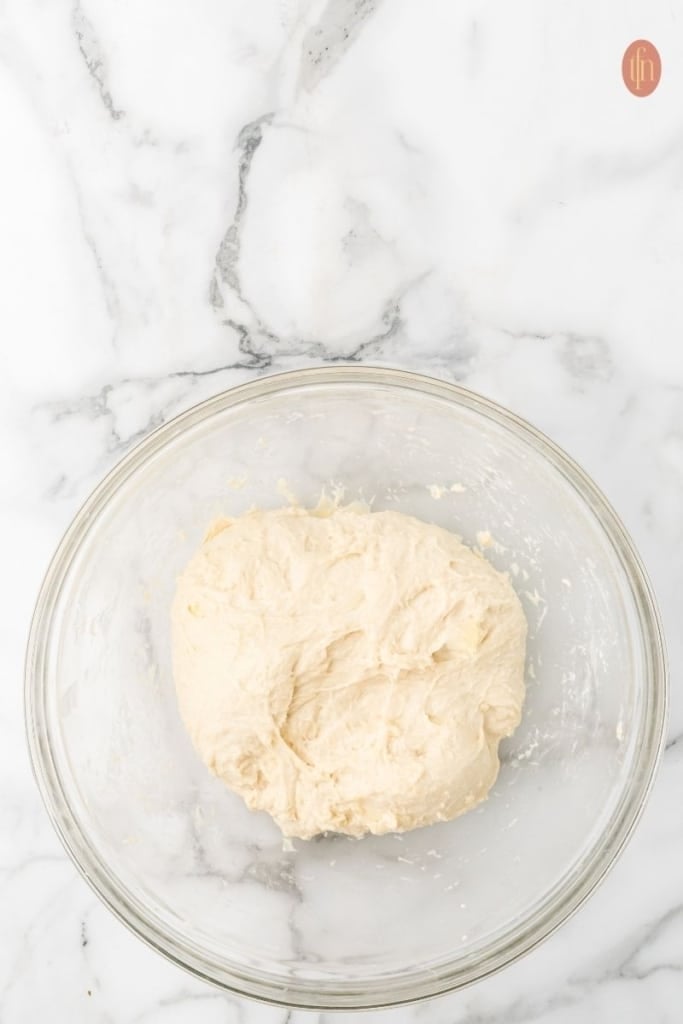
- Flour or wet your hands and finish mixing the dough until most of the flour is absorbed. Don’t worry if a little flour remains on the sides or bottom of the bowl. Cover with a clean, damp kitchen towel and let the dough rest for 30 to 45 minutes.
- Turn the dough out onto a clean surface and stretch and fold it several times, pulling it about 4 inches and folding it back to the center, rotating a quarter turn each time until you’ve gone all the way around. Return it to the bowl.
- Cover the bowl with a damp towel (or plastic wrap if you live in a dry climate) and let the dough rise in a warm spot for 6 to 12 hours. Most people start this in the evening and let it go overnight.
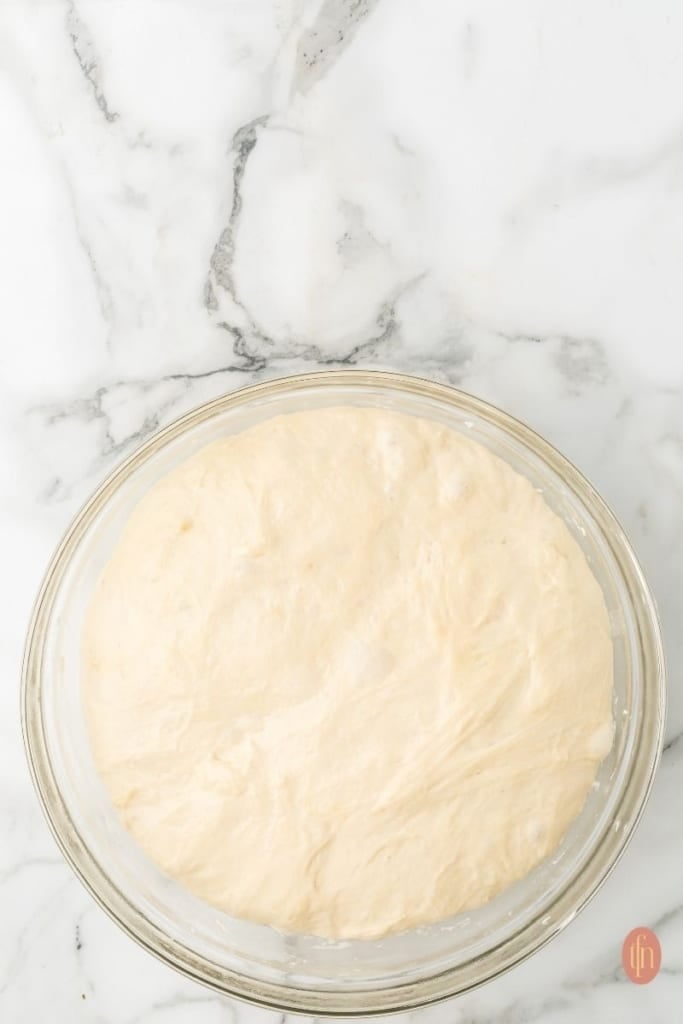
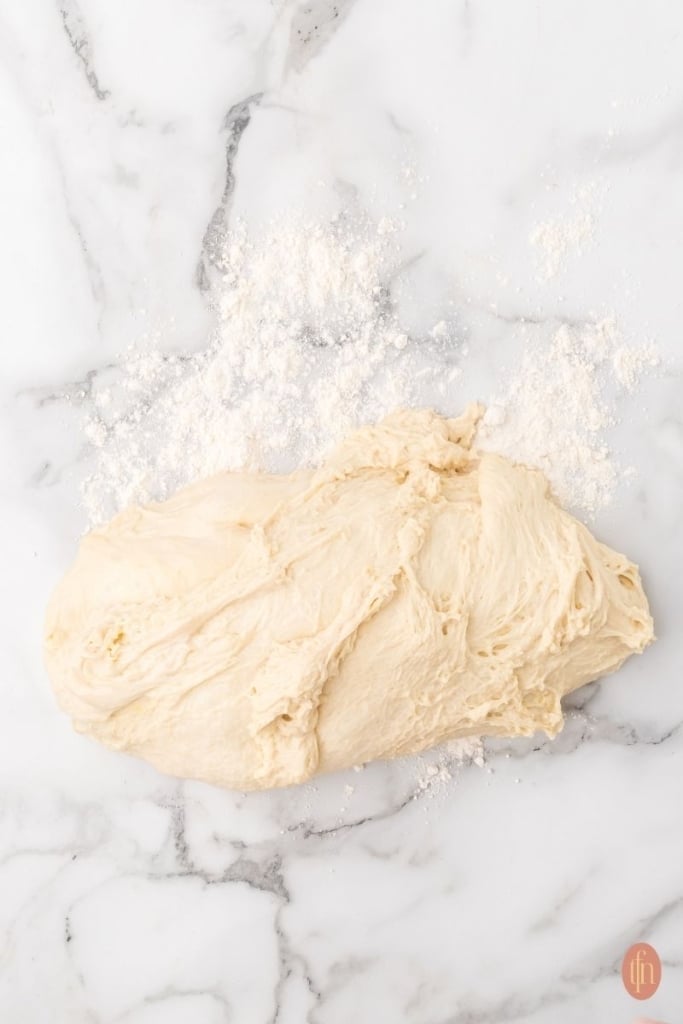
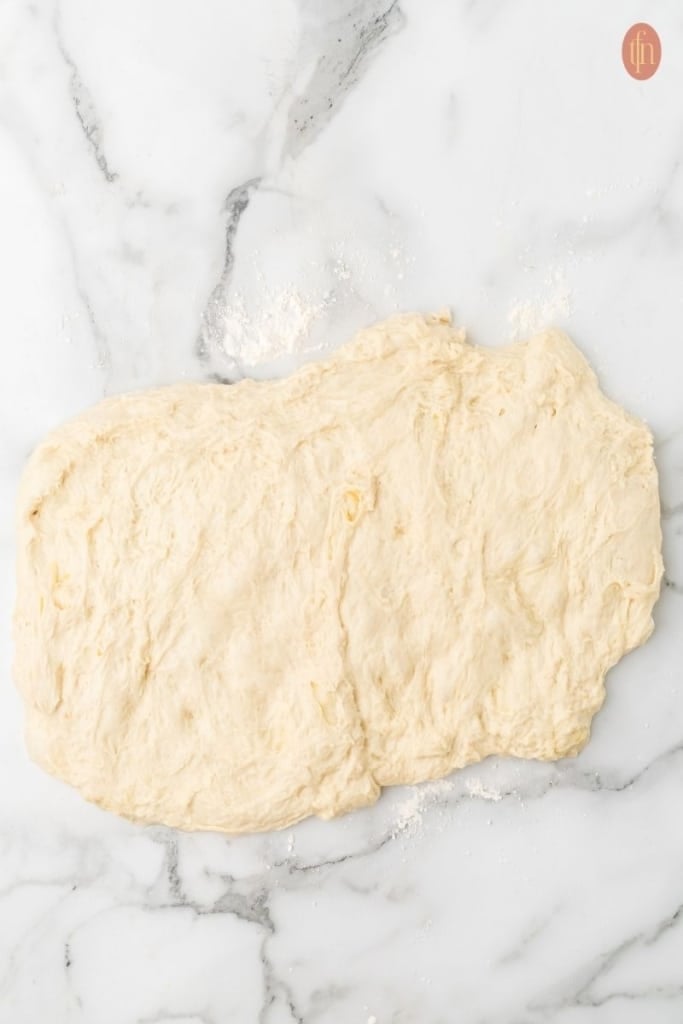
- In the morning, lightly flour your countertop. Remove the dough from the bowl and gently stretch it into a rectangle. Use your fingers to dimple the dough and release the air, then roll it up into a log shape. Cover and let it rest for 10 minutes.
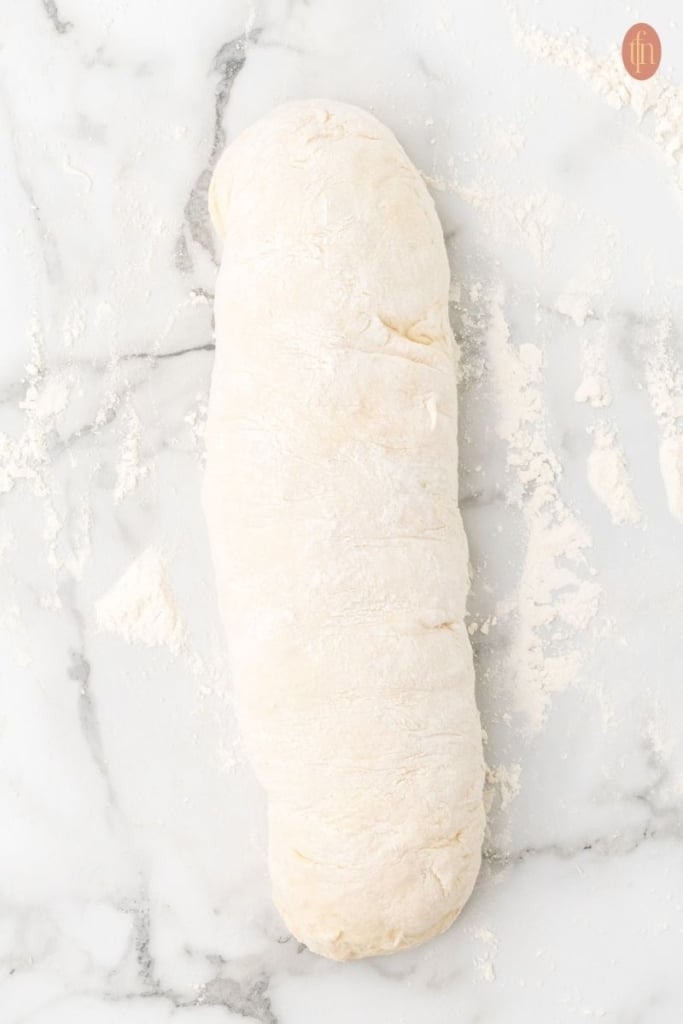
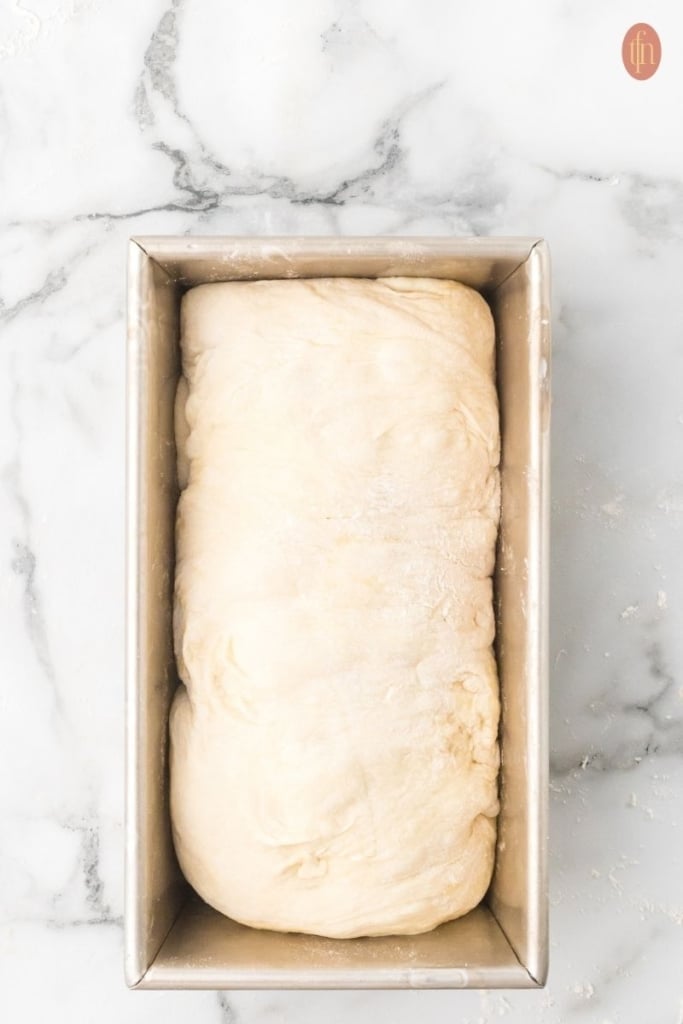
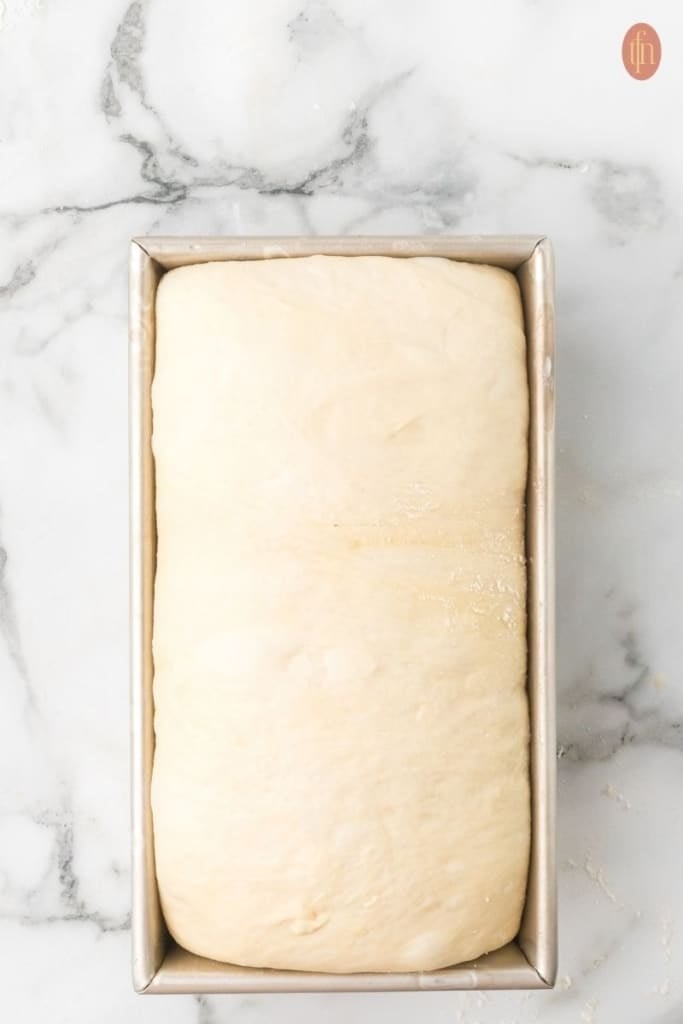
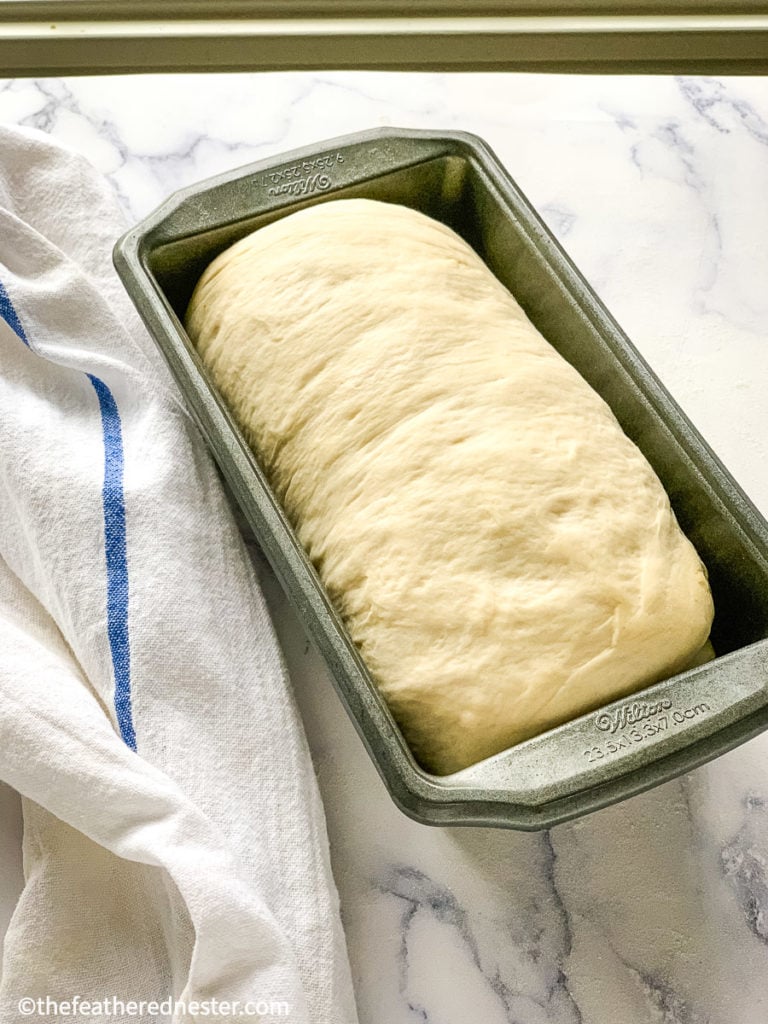
- Spray a 9×5 inch loaf pan with cooking spray. Tighten the dough log by gently pulling it toward you along the countertop, then place it in the pan seam side down. Cover and let it rise for 1 to 2 hours, until the dough has roughly doubled in size.
- Preheat your oven to 375°F. If you like, brush the top of the loaf with an egg wash for a golden finish. Bake in the center of the oven for 40 minutes, until the top is a deep golden brown. Let the pan rest for 10 minutes before tipping the loaf out onto a wire rack.
- Let the bread cool on the rack for at least one hour before slicing. Cutting into it too soon can cause the inside to deflate and become gummy.
🎯 TFN Pro Tip
I recommend using a clear glass mixing bowl. This allows you to see the activity on the dough’s top and bottom. Often, the bottom of the dough will show a lot of activity, reassuring you that it’s properly fermented.
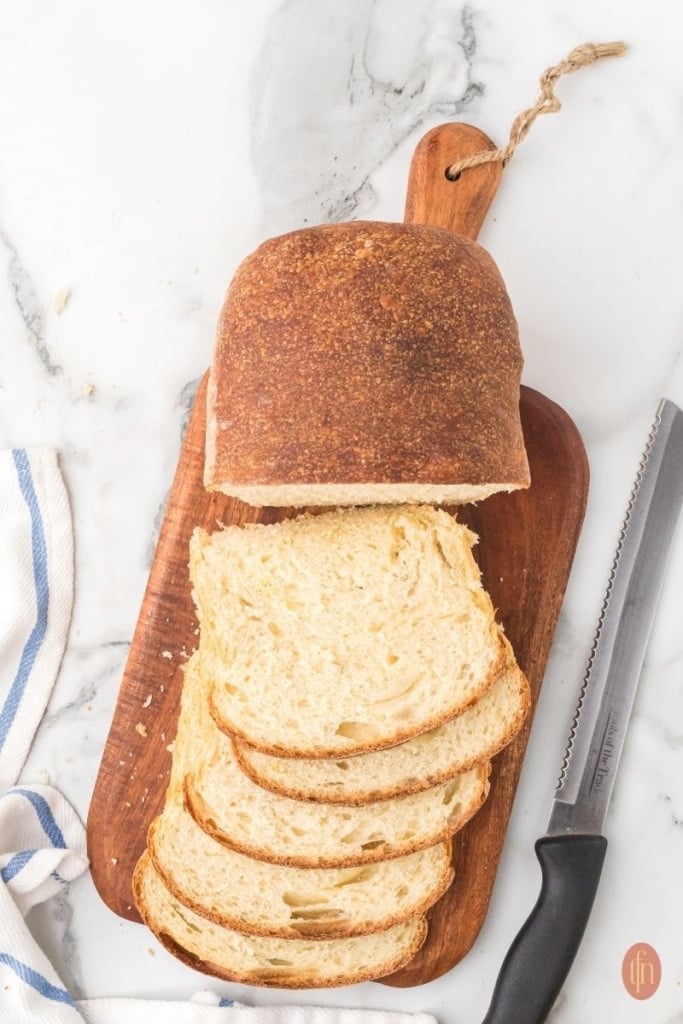
Overnight Sourdough Fermentation Process
The dough needs a long fermentation bulk rise, usually done overnight. This process is what rises the dough with wild yeast instead of commercial yeast. See our Fermentation Rising Guidelines in the recipe card for estimated rising times.
Looking for a shorter fermentation rise recipe to use up your sourdough discard? You’ll love our sourdough flatbread recipe! Use it for wraps, naan, or even pizza. Best of all, it only has a one hour rise so they’re ready fast!
🎯 TFN Pro Tip
Tips for keeping dough warm during colder months:
Place the bowl in the oven with the light on and the door slightly open to create a warmer climate without actually turning the oven on. Before doing this, make sure to take the temperature of your oven with the light on to ensure this method doesn’t get too hot! Or, do a bulk ferment during the day when you can monitor progress until you know how your dough responds to your specific environment.
Use a heated mat (like those used for germinating seeds) for rising. See my Sourdough Tools list to shop what I use.
Use the “proof” setting of your oven (I set mine to 85ºF) and set a timer. This will speed up the rising process, so check it at 4 and 6 hours.
If there is a sunny room in the house that stays warm, keep the dough covered in that area.
What to Make With Sourdough Sandwich Bread
This sandwich bread can be used just like your use sandwich bread from the grocery store. Elevate your breakfast with an avocado sandwich spread on toasted slices. For a more substantial meal, serve it as a breakfast sandwich, grilled cheese sandwich, a classic BLT with crispy bacon, ripe tomatoes, and a drizzle of mayonnaise, or use it for a chicken club.
If you want to add flavor to your sandwich bread, make our sourdough cinnamon raisin bread!
Recipe FAQs
Yes, you can use all-purpose flour instead of bread flour, using the same amount of flour. Since all-purpose flour has a slightly lower protein content than bread flour, your loaf might be slightly smaller.
You can, but for the best texture (density) and softness, I recommend only replacing 1/2 of the all purpose flour with whole wheat flour.
The dough needs a warm area for the bulk (overnight) fermented rise. Find a warm place (75º – 85º F) like an oven with the light on, a warm window, or above the dryer to extend the bulk fermentation rise for 2 more hours.
When the baking time is up, I check to see if the top of the loaf is golden and it sounds hollow when tapped on. If you are unsure, check the internal temperature which should be around 195º – 200ºF.
Let the bread cool completely. Store it in a plastic bag at room temperature. I use a plastic bread bag with a twist tie to seal it and it stays fresh for about 5 days. For the softest crust, we recommend storing it out of the fridge at room temperature.
To keep it fresher longer, put it in an air tight, freezer safe container and keep it in the freezer for up to 3 months. Let it defrost at room temperature before slicing and using.
For more storage tips, see our post on how to store sourdough bread.
A gummy interior is one of the most common sourdough bread problems, and it is usually due to two things: either the bread wasn’t baked long enough, or it was sliced too soon.
Make sure your loaf bakes for the full 40 minutes and the top is a deep golden brown before you pull it out. If you’re unsure, you can use an instant-read thermometer in the center of the loaf and it should read between 190°F and 200°F.
The second thing to check is your cooling time. I know it’s tempting to slice into a warm loaf fresh from the oven, but cutting it too soon traps the steam inside and turns the crumb gummy.
If your home is warm enough you can technically do this recipe all in one day, but it will be a long day with an early start! Start early in the morning and have your bulk rise occur during the day, you’ll be baking bread in the evening time.
We have tested this recipe using starter that has been in the refrigerator for several days (without feeding) with success. The key to a successful recipe is that your sourdough starter must be a mature starter (meaning you’ve fed it regularly for some time, this is not a brand new starter) and it must be active. When we say active- we want your starter to double in size and be active and bubbly within 4-6 hours of feeding- every time you feed. If you aren’t sure, we have lots of sourdough discard recipes to try!
More Easy Sourdough Recipes…
- Artisan Sourdough Loaf
- Jalapeno Cheddar Sourdough Bread
- Sourdough Bread Bowls Recipe
- Sourdough Garlic Toast
If you tried this soft sourdough sandwich bread recipe or any other recipe on my website, please leave a 🌟 star rating and let me know how it went in the 📝 comments below. Thanks for visiting!
Sourdough Sandwich Bread
Equipment
- loaf pan - standard sized. See recipe notes for a 12' x 4.5" pan or smaller loaf pans
- warming mat - optional but recommended if your home is below 75ºF.
Ingredients
- ⅓ cup sourdough starter (65 grams) fed 12-24 hours prior *see notes below
- 1⅓ cups warm water, filtered (300 grams) 95º to 100º F or baby bottle warm
- ¼ cup granulated sugar (56 grams) or 2 rounded tablespoons of honey
- 4 cups bread flour (500 grams) or all-purpose flour
- 1½ tablespoons extra-virgin olive oil (20 grams) or your preferred cooking oil
- 2 teaspoons fine salt (9 grams)
Instructions
- Add the starter to a large bowl. Mix in warm water and sugar, stirring until dissolved. Add flour, oil, and salt. Stir with a dough whisk or wooden spoon until a thick, shaggy dough forms.
- Flour your hands or wet your hands, and finish mixing dough by hand until most of the flour has been absorbed. Don't worry if there is flour on the sides or bottom of the bowl. Cover with a clean, damp kitchen towel and let the dough rest for 30 to 45 minutes.
- Coax the dough from the bowl and stretch and fold the dough by stretching 4 inches then pushing it down the middle and turning 1/4 until you make a circle (see video below for how to do this).Return the dough to the bowl, cover with a damp towel (or plastic wrap if you live in a dry area) and and let rise at room temperature or a warm area 4-12 hours (see chart in notes) to ferment.
- In the morning, lightly flour your counter top. Remove the dough from the bowl, gently stretching it into a rectangle, then your fingers to dimple the rough to release the air from the dough (as shown in photo). Roll up dough into a log shape. Cover and let the dough rest 10 minutes.
- Spray loaf pan with cooking spray. To bake smaller loaves, see Recipe Notes below for directions.Tighten the dough log by gently pulling it towards you along the countertop for 5-8". Place it in your loaf pan, seam side down. Cover and let rise for 1-2 hours, until the dough is about double in size.To see if it's ready to bake, press the corner edge of the dough in 1/2" and if the indentation remains, it's ready to bake.
- Preheat your oven to 375ºF. If desired, brush the top of the loaf with an egg wash.
- Bake in the center of the oven for 40 minutes. See Recipe Notes below for smaller loaves. The top of the loaf should be golden in color. Remove from oven.After 10 minutes, tilt the pan to remove the bread to cool on a cooling rack.
- Wait at least 1 hour before cutting (to prevent the loaf from deflating).
Video

Notes
- 80ºF about 4-5 hours
- 75ºF about 6-7 hours
- 70ºF about 8-9 hours
- For temperatures under 70ºF it can take up to 12 hours or more
- Place the bowl in the oven with the door closed and light on to create a slightly warmer climate without actually turning the oven on.
- Use a heated mat (like those used for germinating seeds) for rising.
- Use the “proof” setting of your oven (I set mine to 85ºF) and set a timer. This will speed up the rising process, so check it at 4 and 6 hours.
- If there is a sunny room in the house that stays warm, keep the dough covered in that area.
- Check to see if the top of the loaf is golden and if it sounds hollow when tapped on.
- Check the internal temperature in the center of the bread. It should 195º – 200ºF when done.
- Let the bread cool completely. Store it in a plastic bag at room temperature. I use a plastic bread bag with a twist tie to seal it and it stays fresh for about 5 days.
- This sandwich bread is also great to freeze. Place in an airtight bag and store in the freezer for up to 3 months. Thaw the loaf at room temperature, then slice and enjoy.
- Check out our in-depth guide on how to store fresh sourdough bread for more storage tips.
Nutrition

 Previous
Shayanna Barclay says
I have a colder home in the winter months, can I let my bread rise in the oven before baking? It’s in the bread pans doing the rising for the 1 to 2 hours, but can that be done in the oven with the warm setting turned on? We love this recipe! I make two loaves each week sometimes more! Thank you!
Danielle - TFN Team Member says
Do you know what temperature your warm setting is? The ideal temperature for proofing dough is around 75 degrees.
Janelle says
I am so excited to try this recipe! I’ve been on the hunt for a discard sandwich recipe with no yeast.
Can I use melted butter instead of oil? I only have canola oil and I’m not sure if that would go well in bread haha.
Emily says
It looks as if the measurements have changed? It used to be 65 grams of starter, and 300 grams of water?
Danielle - TFN Team Member says
Hi! Thank you so much for using our recipes! We love having dedicated sourdough people! I wanted to take a second and apologize- our intent was to optimize our recipe by using a converter (Us to metric/grams) that would allow the recipes to be doubled with a click of a button. When we attempted to convert over, our information was unfortunately lost. The auto-converter then rounded up/down the grams. Thank you so much for bringing this to our attention and helping us get this recipe back up!
Emily says
Ok! I tried with the new measurements, thinking maybe it was an improvement, and it did not work out at all. Glad it’s back!
Laura says
Did you change the recipe? I have made this many times before, and thought it was 65 g starter. Did the water change with it?
Danielle - TFN Team Member says
Hi! Thank you so much for using our recipes! We love having dedicated sourdough people! I wanted to take a second and apologize- our intent was to optimize our recipe by using a converter (Us to metric/grams) that would allow the recipes to be doubled with a click of a button. When we attempted to convert over, our information was unfortunately lost. The auto-converter then rounded up/down the grams. Thank you so much for bringing this to our attention and helping us get this recipe back up!
Kantra Blue says
Hi.
I’m so confused. I’ve used your recipe for years and these measurements on this recipe now are not the same. I have had amazing results with your bread even with doubling and tripling the dough. I make 3 loaves a week and put into my freezer to rotate on those weeks I am too busy to bake. Or if I want to gift a loaf to a friend. Why the increase in measurements or changes?
Thank you
Danielle - TFN Team Member says
Hi! Thank you so much for using our recipes! We love having dedicated sourdough people! I wanted to take a second and apologize- our intent was to optimize our recipe by using a converter (Us to metric/grams) that would allow the recipes to be doubled with a click of a button. When we attempted to convert over, our information was unfortunately lost. The auto-converter then rounded up/down the grams. Thank you so much for bringing this to our attention and helping us get this recipe back up!